
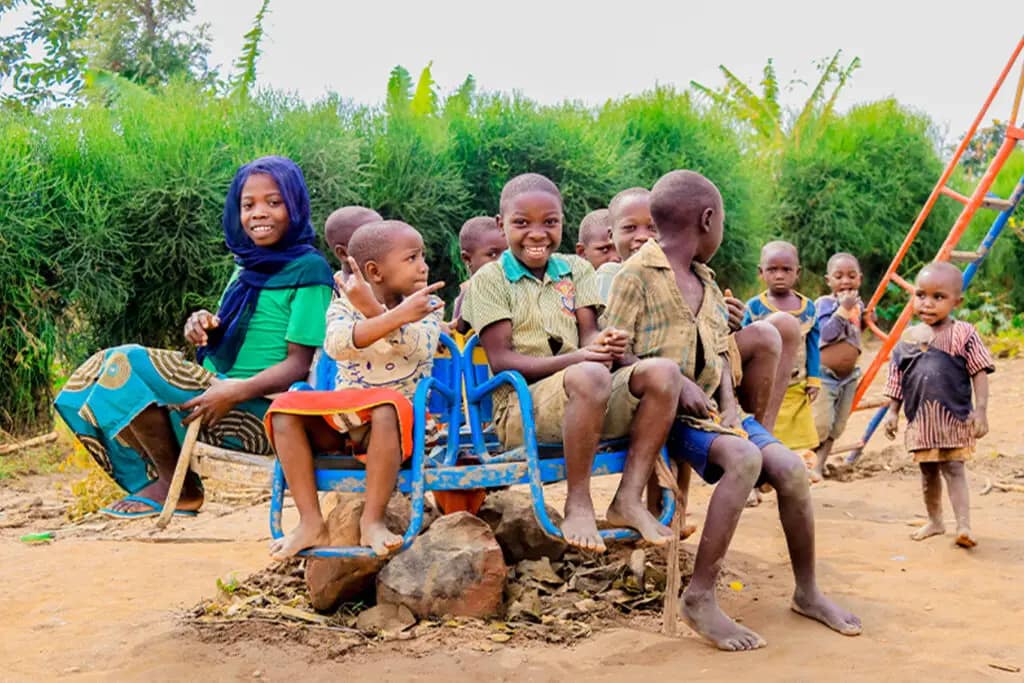
Enrolling out-of-school children
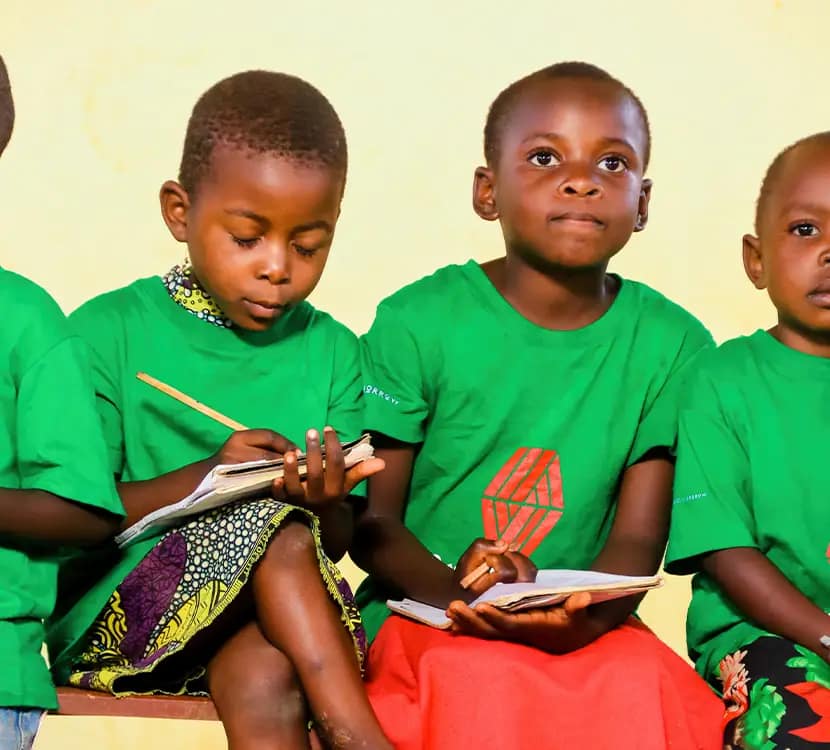
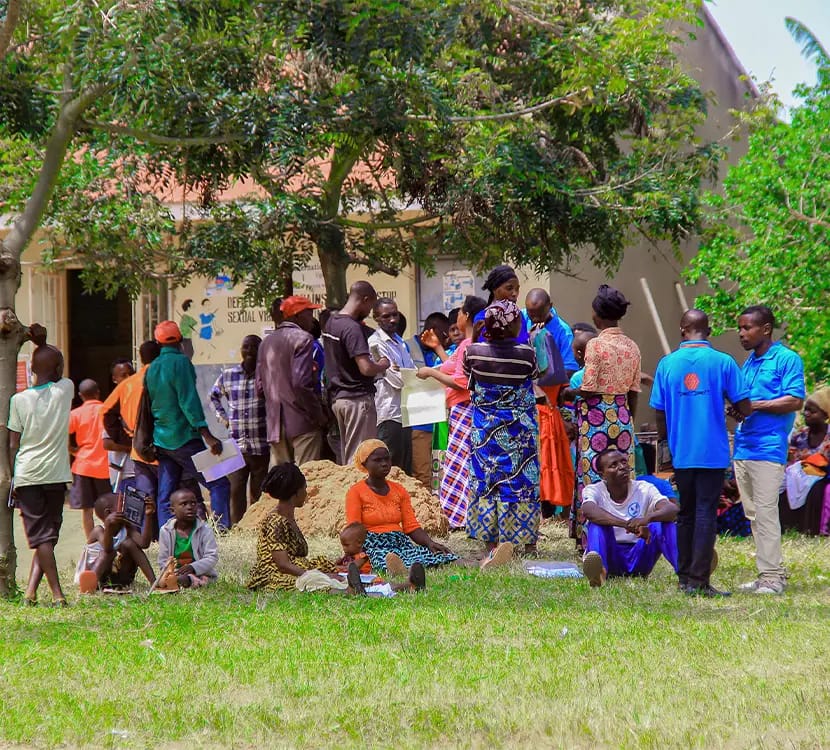
Soma!!!Soma!!! prepares out-of-school children to join formal schools, while helping parents understand why an education matters.
Soma!!!Soma!!! keeps children in school. Kura!!!Kura!!! regenerates the land families depend on. Choose a program below to explore its full story.
Soma!!!Soma!!! is a community-based program that prepares children to enroll in formal schools and works with parents to help them understand the importance of education.
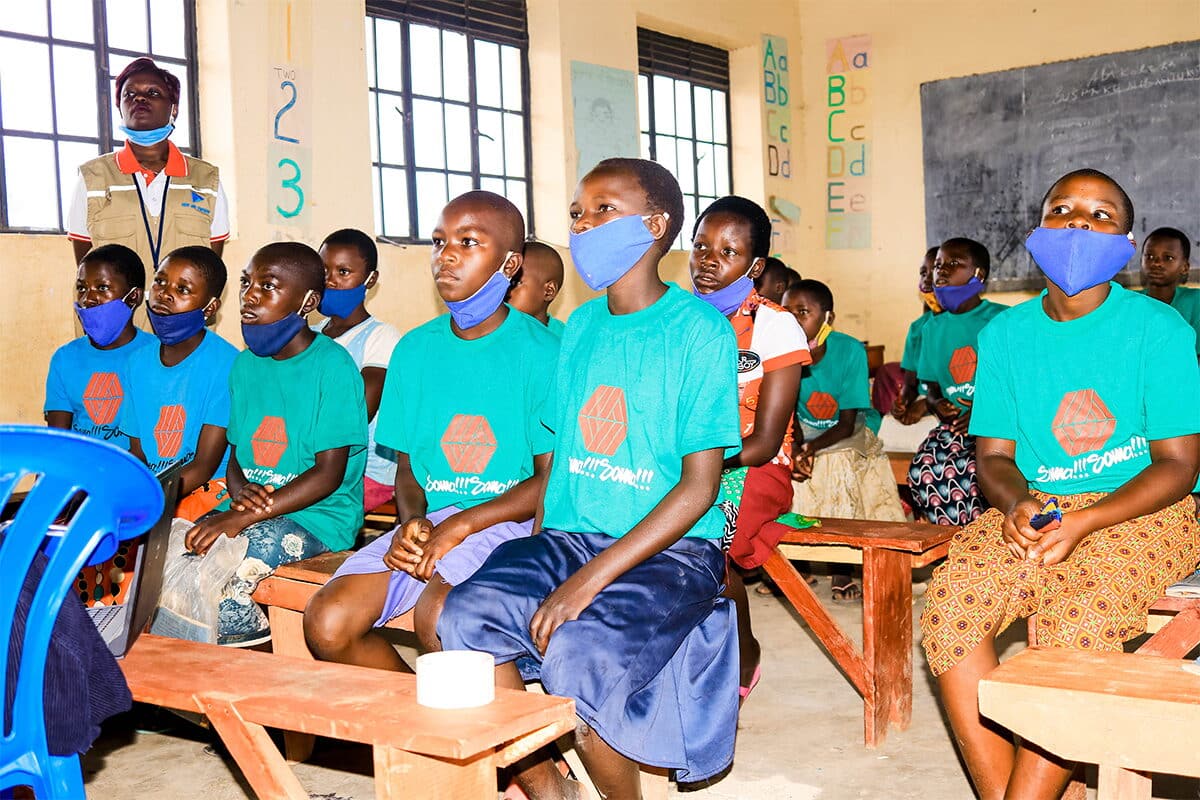
Soma!!!Soma!!! prepares out-of-school children to join formal schools, while helping parents understand why an education matters.
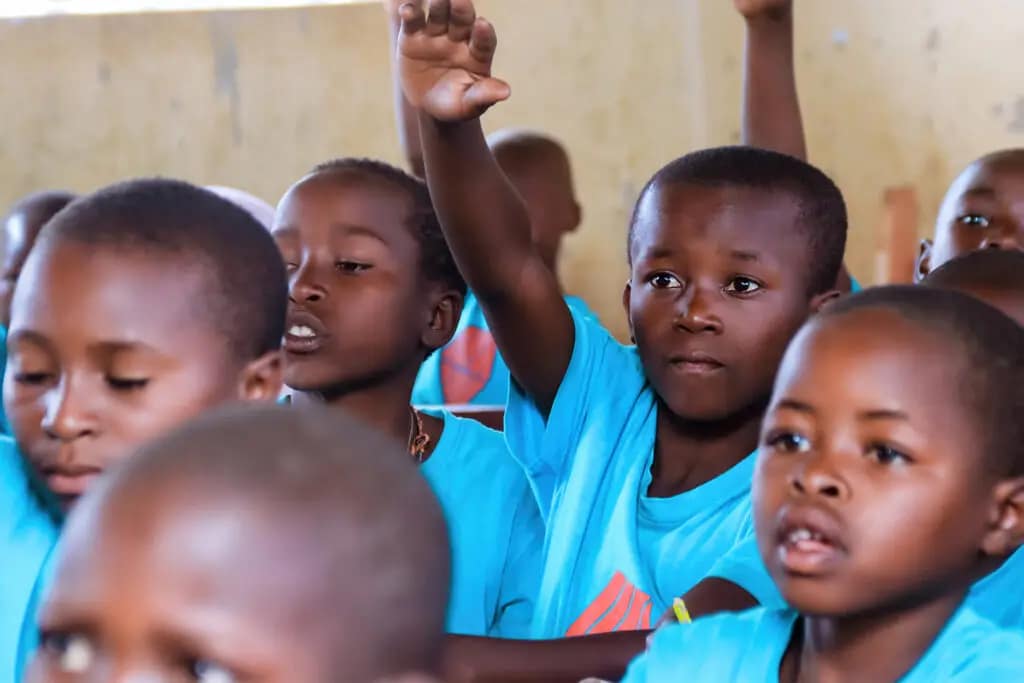
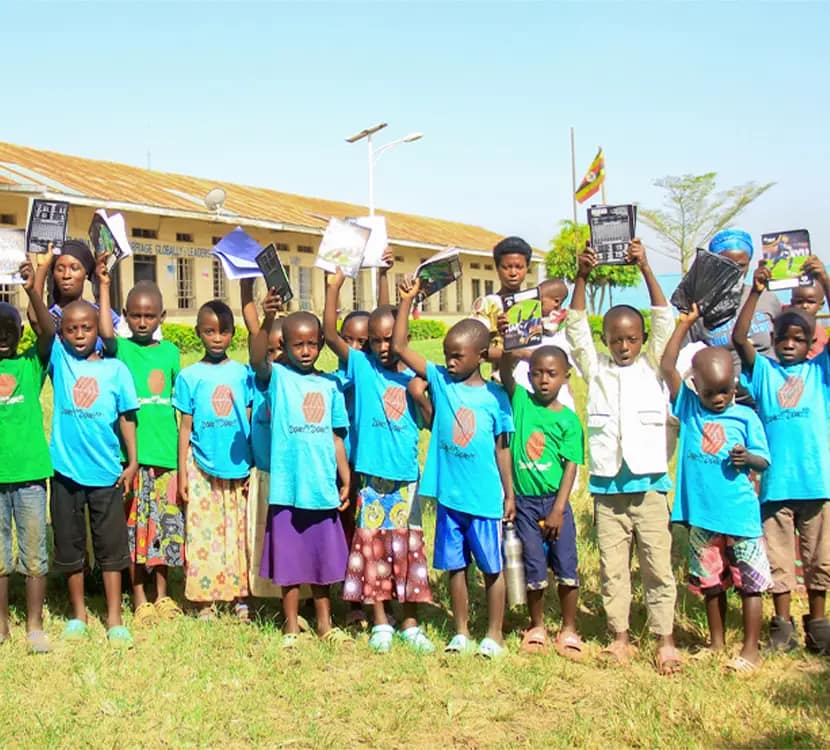
After completing the program, instructors help families enroll their children in school and follow up regularly to ensure students' continued success.
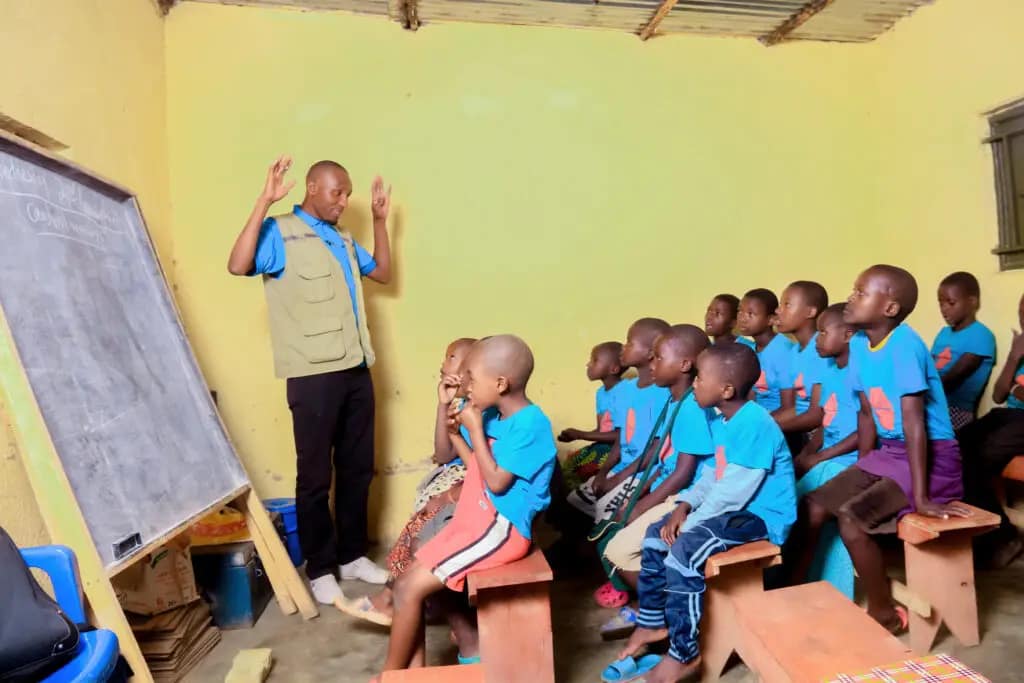
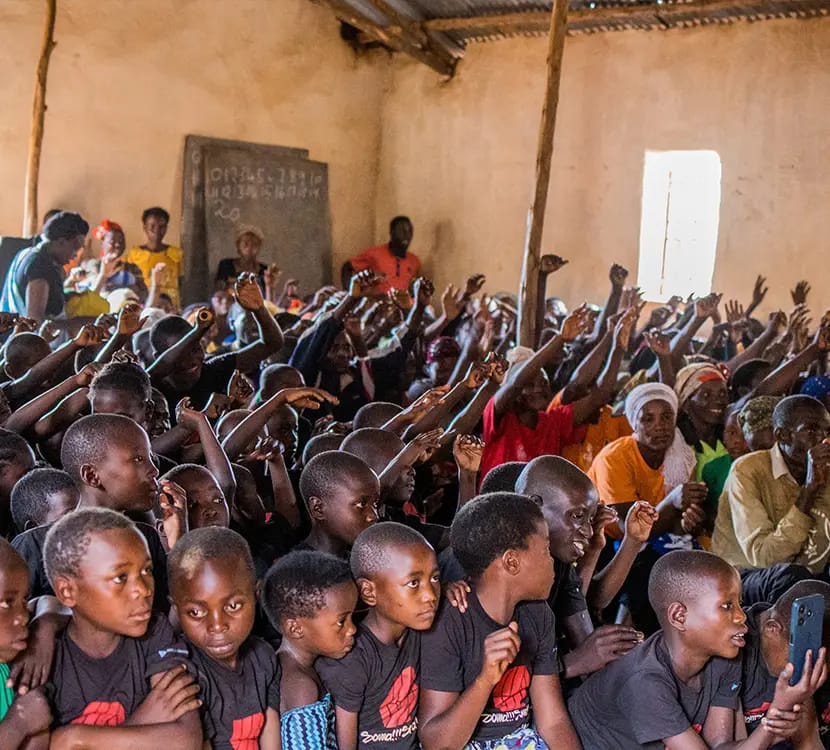
Community and parental involvement is key. Now and Tomorrow Uganda holds workshops on education, hygiene, communication and parenting to support families and girls.
The program follows a Ministry of Education and Sports–approved Language Bridging Curriculum adapted for refugee and host learners aged 8–14, running for 20 weeks across three progressive levels. Classes are held Mondays, Wednesdays and Fridays (8:00am–12:00pm), with Thursdays dedicated to mentorship and psychosocial support. Each class is led by two trained instructors — one for English and one for the native language — who monitor progress through weekly and periodic assessments.
Soma!!!Soma!!! promotes strong family and community involvement in children's education. Parents form structured committees and receive training to support school readiness and retention. Staff run community workshops on child rights, early learning and financial literacy, while “Back-to-School” campaigns mobilize out-of-school children. Once children transition to local schools, instructors carry out home and school visits for at-risk learners to reduce dropout.
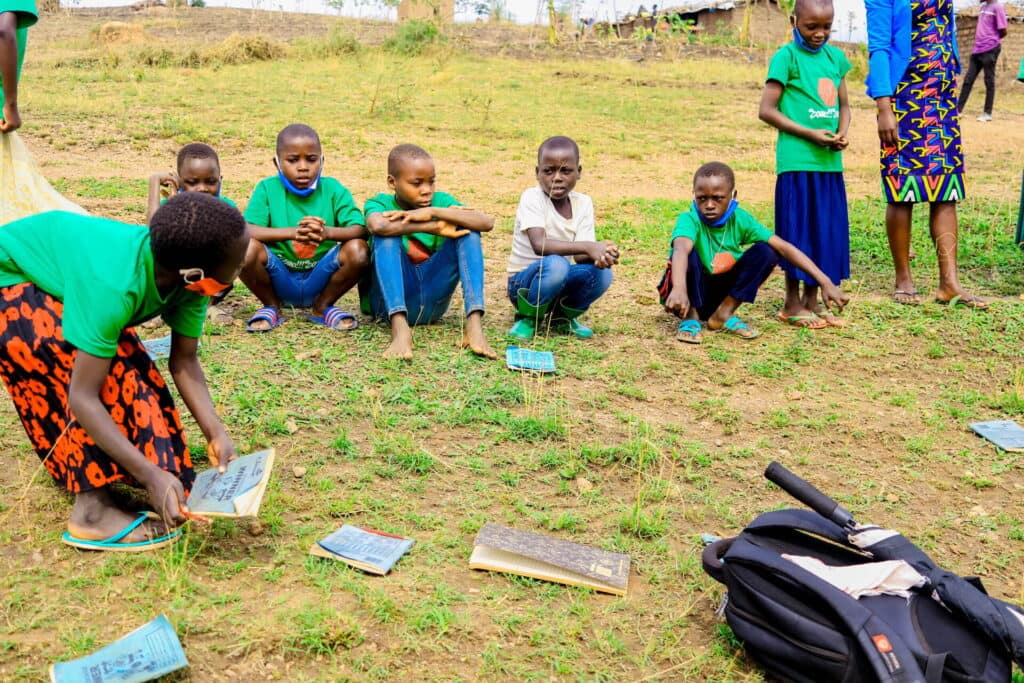
To remove learning barriers, the program provides scholastic materials and daily porridge meals to promote consistent attendance and engagement. School fees are fully covered for one term, and continued support for Orphans and Vulnerable Children is offered through education savings accounts managed by parent-led Village Education and Savings Associations (VESAs).
Facilitators are selected on A-Level or Grade 3 teaching qualifications, with preference for local community members. They receive a one-week induction in curriculum delivery, child protection and learner-centered methods, plus ongoing support through annual refresher courses, peer exchanges and performance monitoring based on learner outcomes and attendance.
The team uses a comprehensive system to track effectiveness. Instructors record attendance daily, verify transitions to formal school quarterly and assess retention annually. Parental engagement is reviewed bi-annually through committee reports, facilitator performance is observed quarterly, and learner outcomes are evaluated every six weeks through structured assessments.
Parents contribute UGX 500–1,000 per child weekly into Village Education and Savings Associations, creating an education fund to pay school fees after program tuition support ends. This model is being piloted in Kabahinda and Mugenyi.
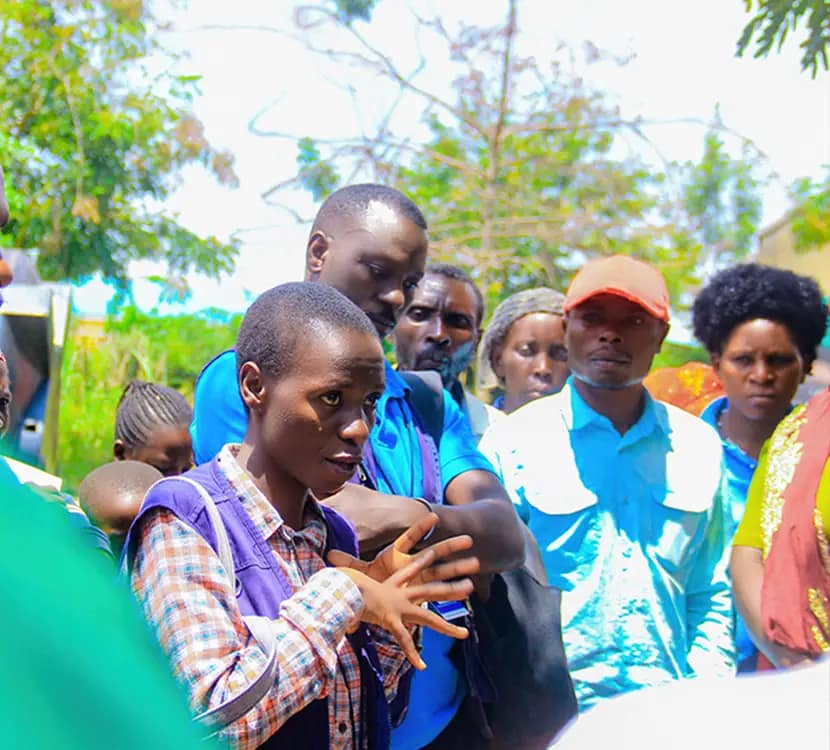
Facilitators and program champions are based within local zones to drive ownership. Community leaders support enrollment drives and mobilize residents to contribute to the construction and maintenance of learning spaces.
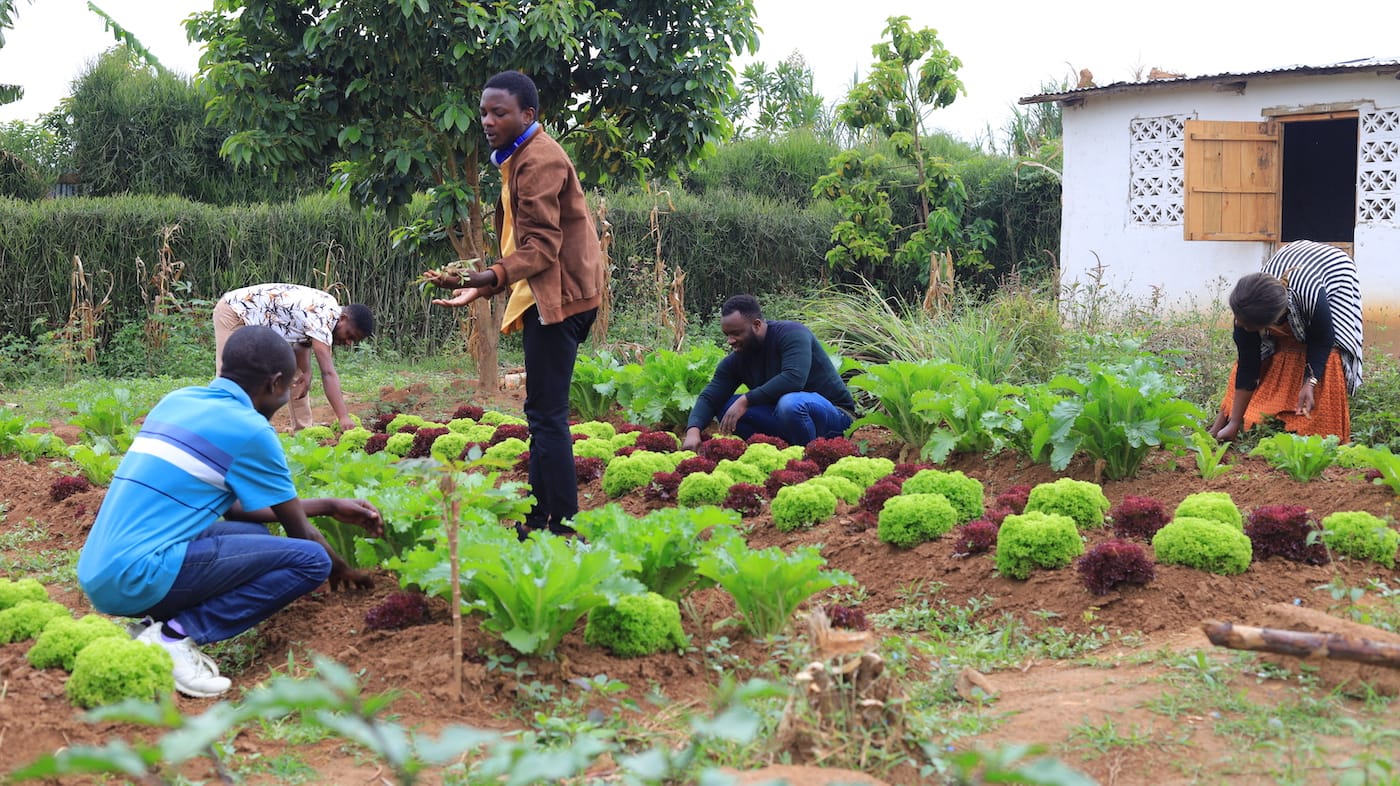
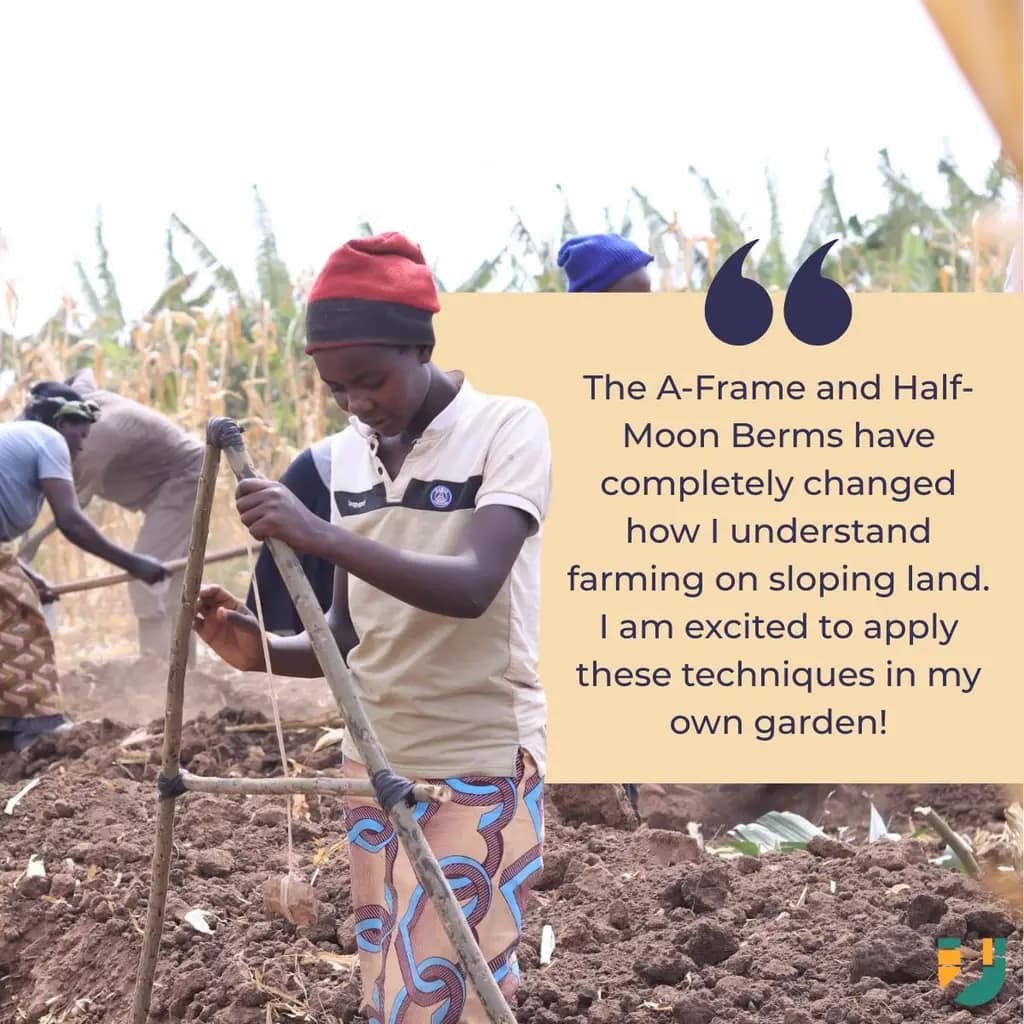
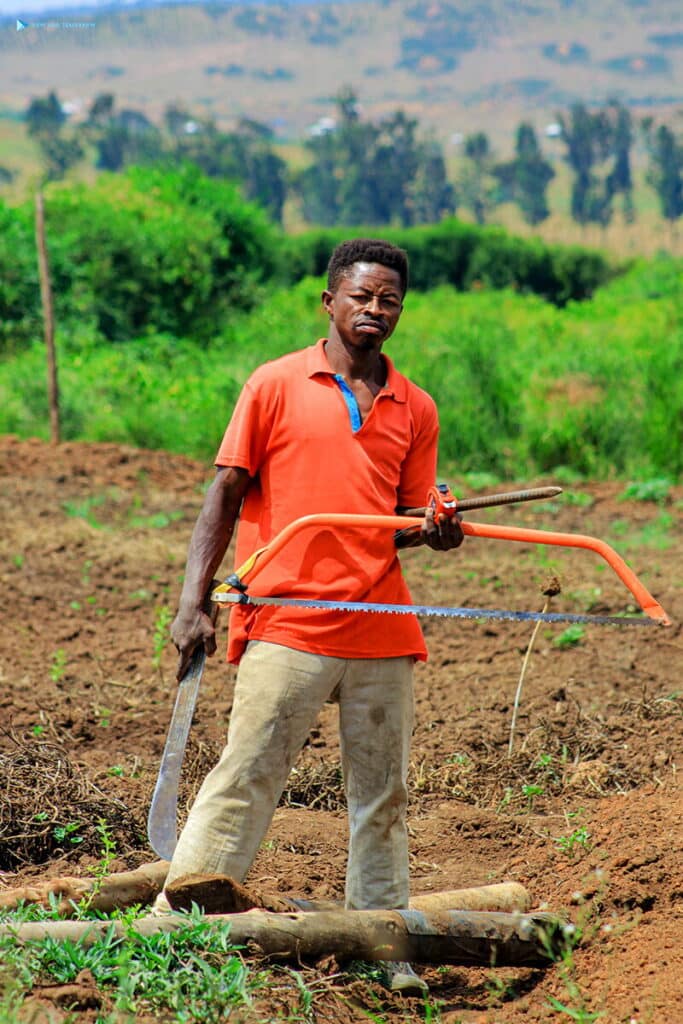
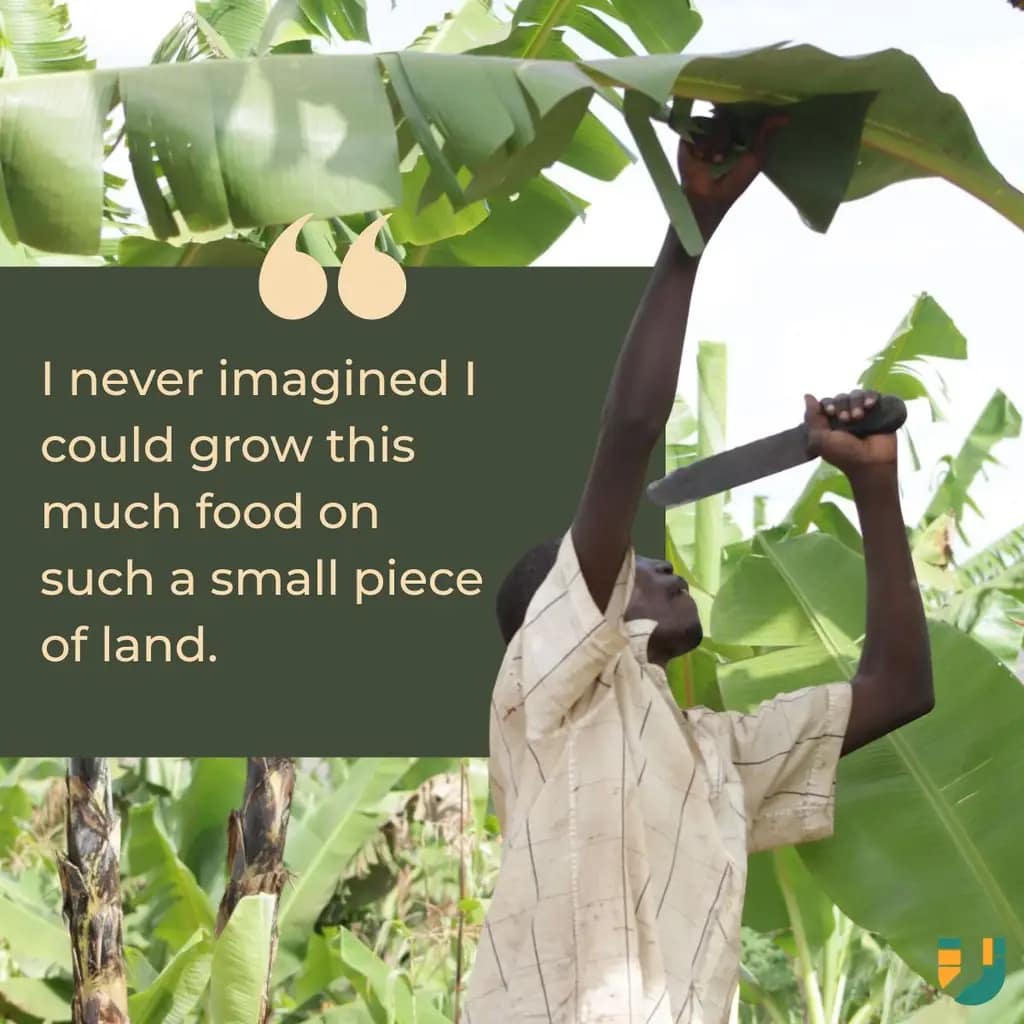
The Kura!!!Kura!!! Initiative brings the PermaGarden methodology for household food production to all households in the Nakivale Refugee Settlement. Pioneered in the Palabek Settlement by African Women Rising, PermaGardens have improved the nutrition and economic well-being of refugees and hold the same promise for Nakivale. It is built on the proven principles of Resilience Design: Site Design, Water Harvesting, Soil Regeneration and Biodiversity, producing food sustainably on the small plots available to refugees.

A Nakivale-specific design that optimizes energy efficiency and resource use — working with sun, wind, slope and roads to maximize beneficial influences (like water flowing into a compound) and minimize harmful ones, while integrating waste streams for productive use.
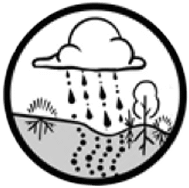
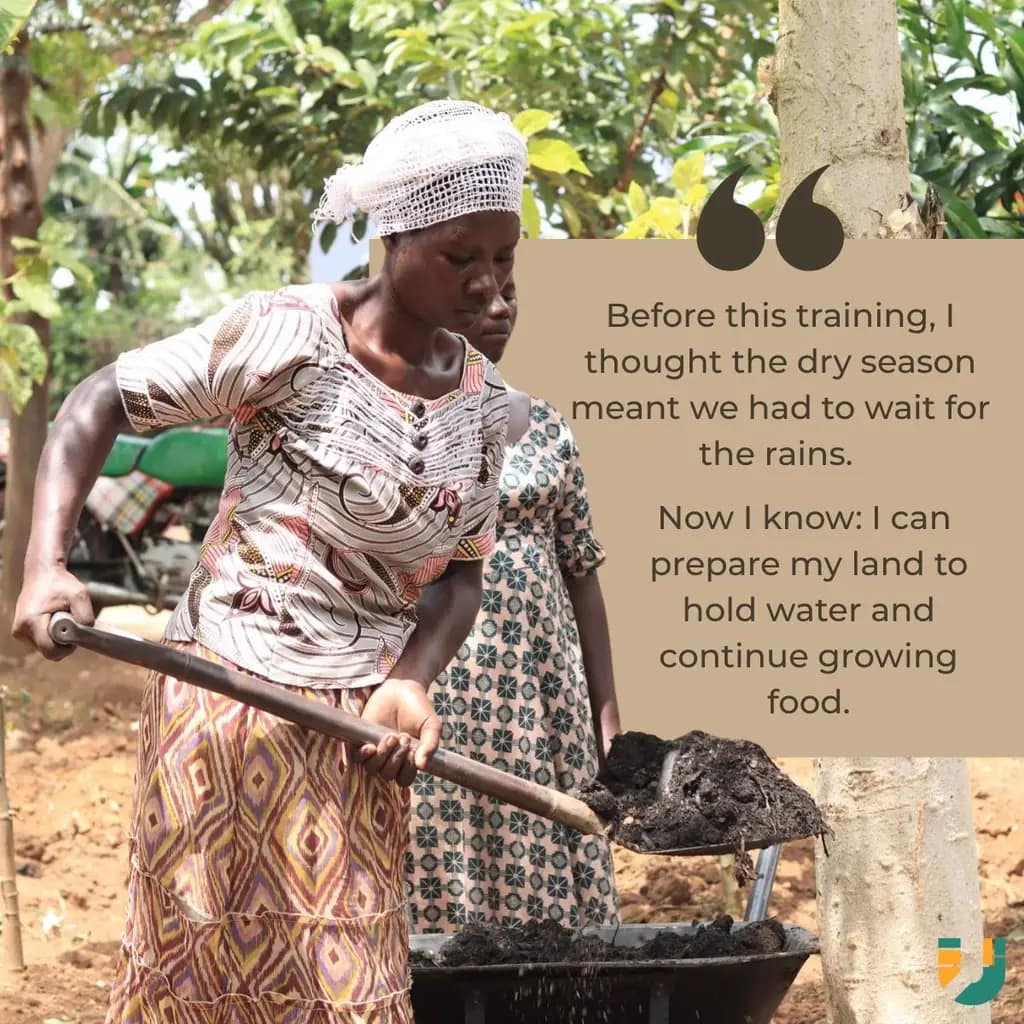
Multiple strategies to slow, spread, sink and manage rainwater and other water resources. Interventions prevent runoff and erosion from heavy rain and capture, store and manage rainwater, wastewater and borehole water so plants and animals have year-round access.

Building a healthy soil food web that supports sustained, regenerative growth through deep soil preparation, natural fertilizers and protection from intense sun, wind and rain — increasing production and growing higher-nutrient crops more resilient to pests, disease and climate stress.

Plants, trees and animals that work together to support the growing environment. It mimics resilient living systems nearby and integrates perennials — trees, shrubs, herbs, ground covers and vines — plus support species that enhance nutrients, protect soil, encourage pollination and deter pests, year-round.
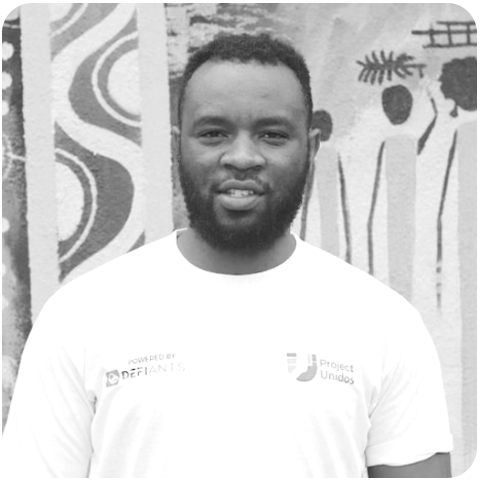
Paulinho is the visionary founder of Unidos Social Innovation Center, begun in 2018 to advance sustainability, empowerment and community-led development in Nakivale. He is a certified permaculture teacher (Permaculture Education Institute), an accredited Warm Data host (Bateson International Institute), an Ambassador in the SEEDS regenerative financial ecosystem, and a leadership facilitator dedicated to transforming refugee settlements into regenerative, resilient communities.
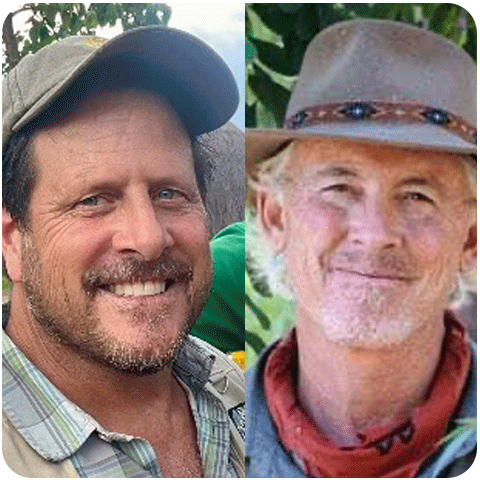
Tom and Warren have over 30 years of experience in regenerative agriculture, community development and humanitarian aid across the globe, focusing on food security. Co-developers of the Resilience Design Approach and founding partners of Resilience Design Consulting, they trained the leaders of Kura!!!Kura!!! in the methods and learnings from the successful Palabek PermaGarden program run by African Women Rising.
Because our overhead is privately funded, 100% of your gift reaches these programs in the field.